(+035) 527-1710-70
 NEWSLETTER


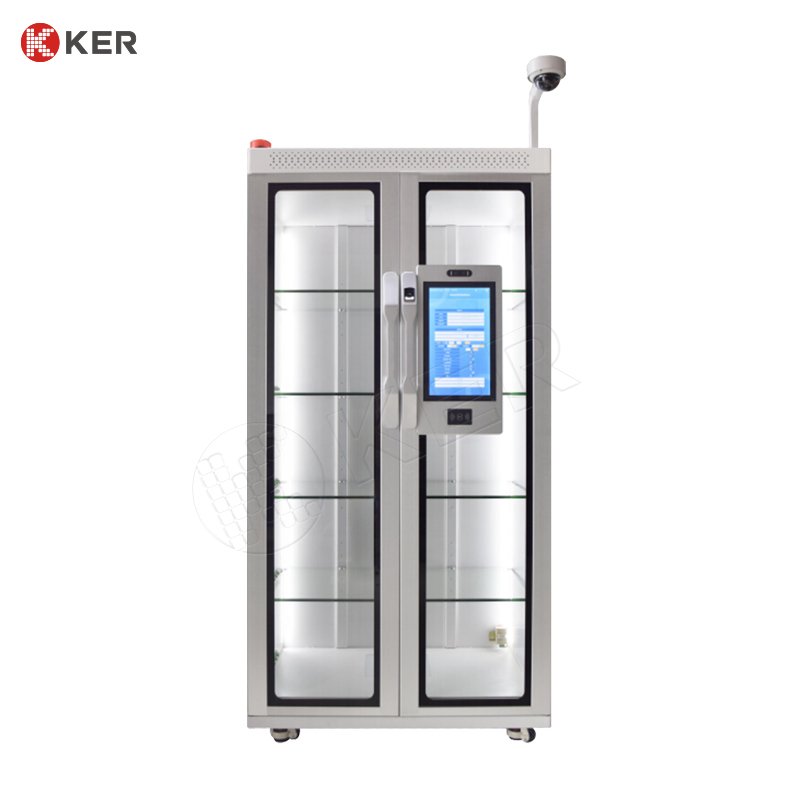
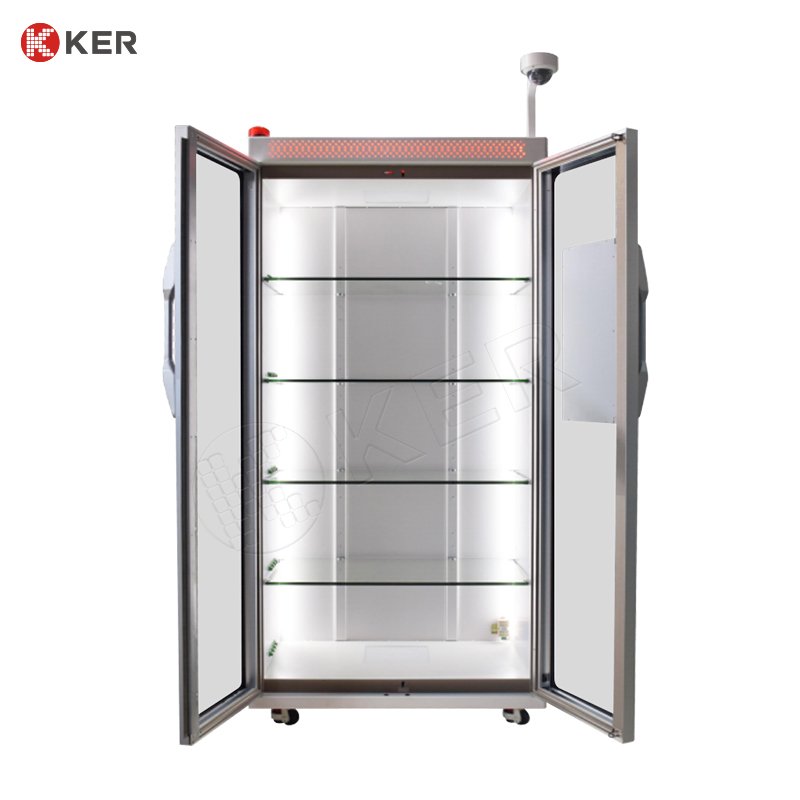
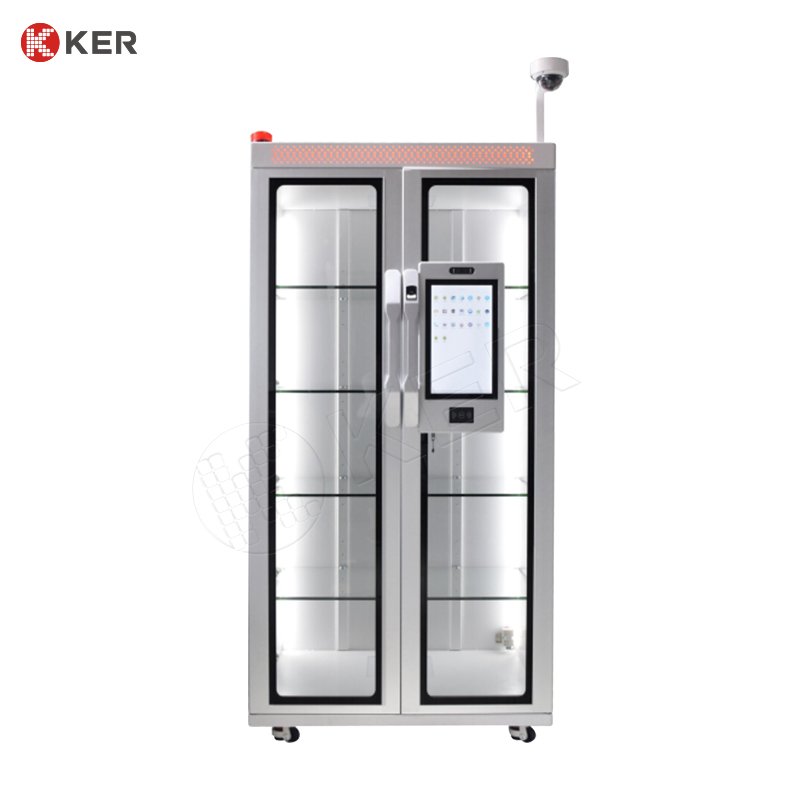
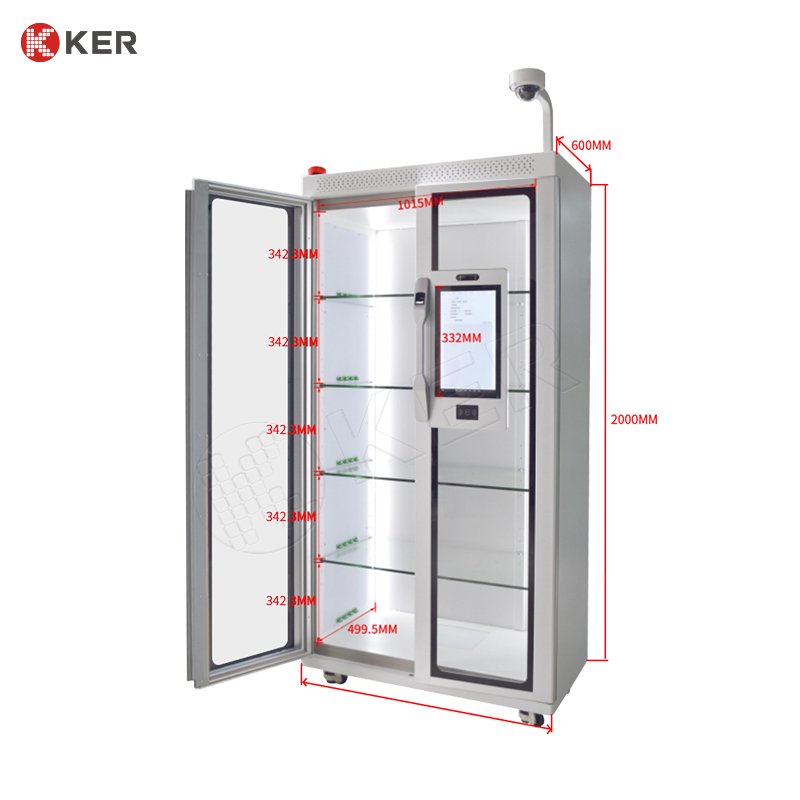
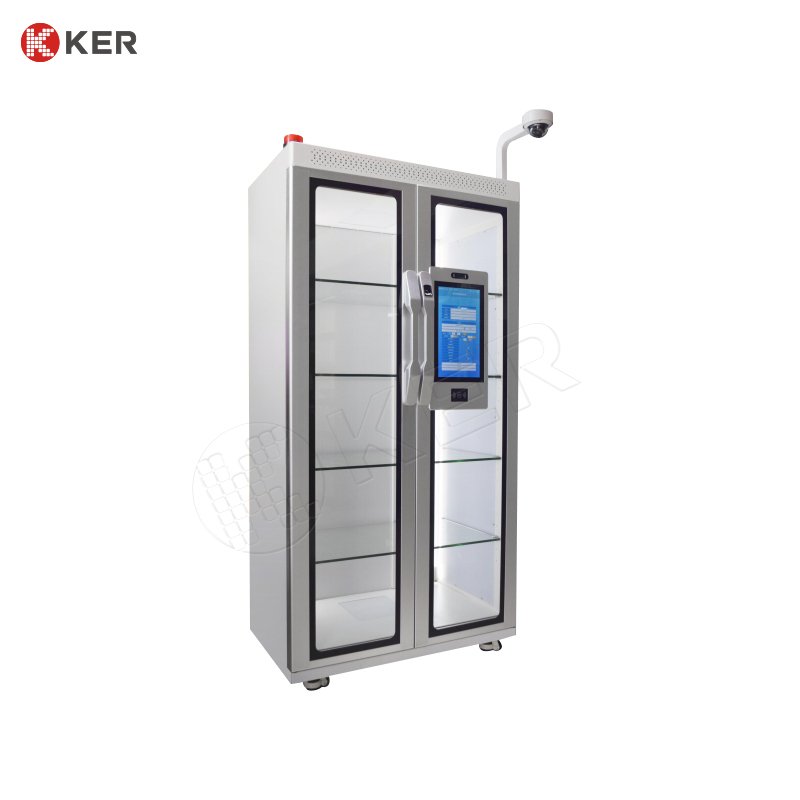
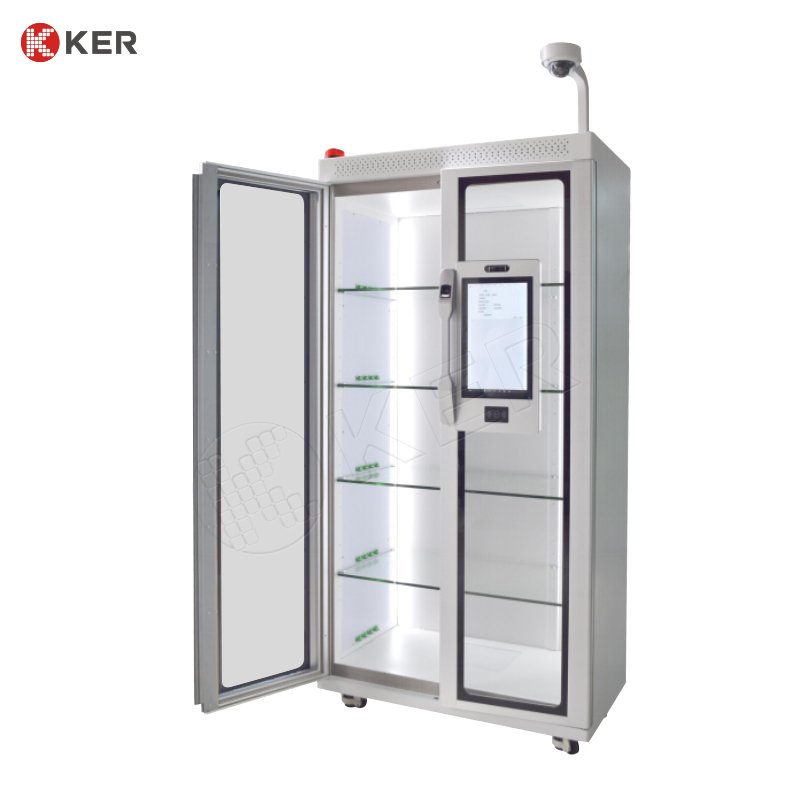
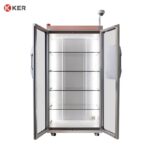
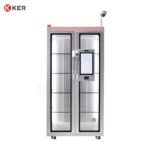
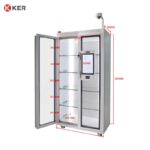
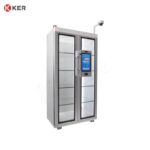
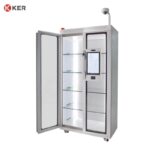
Dual-Door RFID Smart Cabinet for Asset & Consumable Management
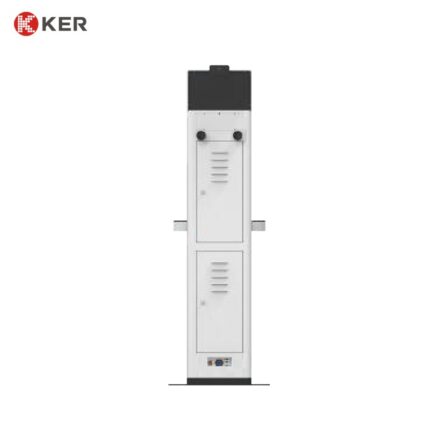
KER Dual-Door RFID Smart Cabinet is an intelligent storage and access-management solution designed for organizations that need secure, traceable and efficient management of valuable assets and controlled consumables.
The cabinet uses RFID and other identification technologies to monitor item movement while providing controlled access to authorized users. Its dual-door structure allows inventory to be organized into separate storage zones, making it suitable for environments where different item categories, departments or access permissions need to be managed independently.
Typical applications include:
- Medical consumables
- Laboratory reagents
- Surgical instruments
- Industrial tools
- Spare parts
- IT equipment
- High-value components
- Research materials
The current KER page already describes RFID/QR/NFC identification, multi-level access control, real-time inventory monitoring, traceability, security alerts and ERP/WMS integration.
Dual-Door Storage Design
The dual-door cabinet provides two independently accessible storage areas.
This can be used to separate:
- Different departments
- Different item categories
- High-value and standard items
- New and returned items
- Different inventory owners
- Different access permissions
Each side can be configured according to the customer’s storage and workflow requirements.
RFID-Based Item Identification
RFID technology can automatically identify tagged items when they are placed into or removed from the cabinet.
Possible tracked information includes:
- Item ID
- Item category
- Quantity
- Storage location
- User
- Access time
- Return status
- Inventory status
This reduces manual inventory recording and improves traceability.
Multi-Level Access Control
The cabinet can restrict access according to user identity and permissions.
Possible authentication methods include:
- RFID employee card
- NFC card
- QR code
- PIN/password
- Fingerprint
- Facial recognition
- Employee account
Different users can be granted access to different doors, compartments or item categories.
Independent Door Access
The dual-door design can support separate access permissions.
For example:
Door A
Medical department inventory
Door B
Maintenance or engineering inventory
This allows the same physical cabinet to serve multiple departments while keeping access records separated.
Self-Service Item Collection
The cabinet can support unattended or semi-attended item collection.
Typical workflow:
Authenticate → Select Item → Verify Permission → Unlock Door → Remove Item → Record Transaction → Update Inventory
This reduces dependence on warehouse or administrative staff.
Item Return Management
The cabinet can also manage the return of reusable equipment or tools.
Typical workflow:
Authenticate → Identify Item → Open Authorized Door → Return Item → Verify RFID → Update Inventory
This is particularly useful for:
- Tools
- Surgical instruments
- IT equipment
- Laboratory equipment
- Shared enterprise assets
Real-Time Inventory Monitoring
The management system can monitor:
- Current inventory
- Item quantity
- Item location
- Door status
- Low-stock levels
- Access history
- Return status
- Expiration information, where applicable
The current page already specifies real-time inventory monitoring and low-stock alerts.
Automatic Traceability
Each access event can generate a digital record containing:
- User identity
- Item ID
- Door/cabinet location
- Date and time
- Quantity
- Access type
- Return status
This creates a complete audit trail.
Healthcare Applications
The dual-door structure is suitable for hospitals and medical facilities.
Possible applications include:
- Orthopedic implants
- Surgical instruments
- Medical consumables
- Emergency supplies
- Laboratory materials
For example, one door can be assigned to operating-room supplies while the other manages general clinical inventory.
Laboratory Applications
Suitable for:
- Reagents
- Test materials
- Laboratory consumables
- Research equipment
Different storage zones can be assigned to different laboratories or material categories.
Manufacturing Applications
Possible uses include:
- Production tools
- Precision components
- Maintenance equipment
- Spare parts
- High-value materials
The system can record which employee took an item and when it was returned.
Enterprise Asset Management
The cabinet can manage:
- Laptops
- Tablets
- Cameras
- Portable equipment
- Shared tools
- Company assets
This provides better control over shared equipment.
Expiration and Batch Management
For consumables that require batch tracking, the software can store:
- Item name
- Batch number
- Expiration date
- Quantity
- Storage location
- Supplier
Alerts can be configured for low stock or approaching expiration.
ERP and WMS Integration
The cabinet can connect to enterprise management platforms including:
- ERP
- WMS
- MES
- Hospital management systems
- Asset management systems
Possible data exchange includes:
- Inventory updates
- Item movements
- User information
- Stock levels
- Replenishment requirements
- Access records
The existing page explicitly mentions ERP/WMS integration, so this should remain a core selling point.
Security and Anti-Tamper Protection
Possible security functions include:
- Electronic door locks
- Door sensors
- Unauthorized access alerts
- Lockable cabinet construction
- Access logs
- Optional camera monitoring
- Alarm interfaces
These functions help protect high-value or controlled inventory.
Environmental Monitoring
For temperature-sensitive materials, optional monitoring can include:
- Temperature
- Humidity
- Environmental alerts
This can be useful for laboratories and certain healthcare applications.
Remote Management
An optional central management platform can monitor:
- Cabinet online/offline status
- Door status
- Inventory status
- Low-stock alerts
- Access events
- Alarm conditions
- Temperature/humidity status
- Device faults
This is suitable for organizations operating multiple cabinets.
Modular Storage Configuration
The cabinet can be customized with:
- Adjustable shelves
- Multiple compartments
- Separate storage zones
- Different shelf heights
- RFID readers
- Electronic locks
- LED status indicators
- Touchscreen or external terminal
- Barcode/QR scanner
The internal layout can be designed around the dimensions and quantity of the items being stored.
Custom Cabinet Design
KER can customize:
- Cabinet dimensions
- Number of doors
- Door size
- Internal shelves
- RFID configuration
- Access-control system
- Cabinet color
- Logo
- Front-panel design
This makes the product suitable for OEM/ODM projects.
Typical Workflow
Item Collection
User Authentication → Select Item → Permission Check → Door Unlock → RFID Identification → Item Removal → Inventory Update
Item Return
User Authentication → RFID Item Identification → Door Unlock → Item Return → RFID Verification → Inventory Update
Dual-Zone Management
Door A → Department A Inventory
Door B → Department B Inventory
| Item | Specification |
|---|---|
| Product Type | Dual-Door RFID Smart Cabinet |
| Main Application | Asset & Consumable Management |
| Door Configuration | Dual Door |
| Identification | RFID / QR / NFC |
| Access Control | Multi-Level Permission Management |
| Authentication | RFID Card / NFC / QR / PIN / Fingerprint / Face Optional |
| Item Tracking | RFID-Based |
| Inventory Monitoring | Real-Time |
| Low-Stock Alert | Supported |
| Access Logging | Supported |
| Expiration Management | Optional |
| Electronic Lock | Supported |
| Door Sensor | Optional |
| Temperature Monitoring | Optional |
| Humidity Monitoring | Optional |
| Camera | Optional |
| Barcode Scanner | Optional |
| Network | Ethernet / Wi-Fi / 4G Optional |
| ERP Integration | Supported |
| WMS Integration | Supported |
| API / SDK | Custom Integration |
| Remote Management | Optional |
| Internal Shelves | Customizable |
| Cabinet Dimensions | Customizable |
| Branding | Logo / Color Customization |
| OEM / ODM | Supported |